Get Engineered Wood Installation
Engineered wood installation services help property owners with projects like flooring, decks, and framing by solving issues related to durability, stability, and precise fitting.
Engineered wood installation is a practical solution for property owners looking to enhance the durability and appearance of their flooring, walls, or other structural elements. Whether planning a renovation, new construction, or upgrade project, understanding the options available and comparing local service providers can help ensure the work meets your needs. This type of installation offers a reliable way to achieve a polished, long-lasting finish, making it a popular choice for a variety of property types in the area.
For those exploring options for engineered wood work, connecting with experienced local contractors can provide valuable insights and guidance tailored to specific project requirements. By reviewing local service providers, property owners can find the right expertise to handle their installation efficiently and effectively. Keep reading to learn more about how to assess your project needs and find the right professionals in the community.
- Engineered Wood Flooring Installation - when upgrading or replacing existing floors for a durable and stylish surface.
- Subfloor Preparation and Repair - needed before installing engineered wood to ensure a flat and stable foundation.
- Custom Engineered Wood Cut and Fitting - required for unique room layouts or to accommodate irregular spaces.
- Subfloor Leveling and Smoothing - essential for achieving a seamless and even engineered wood surface.
- Underlayment Installation for Engineered Wood - when adding proper cushioning and moisture barriers for better performance.
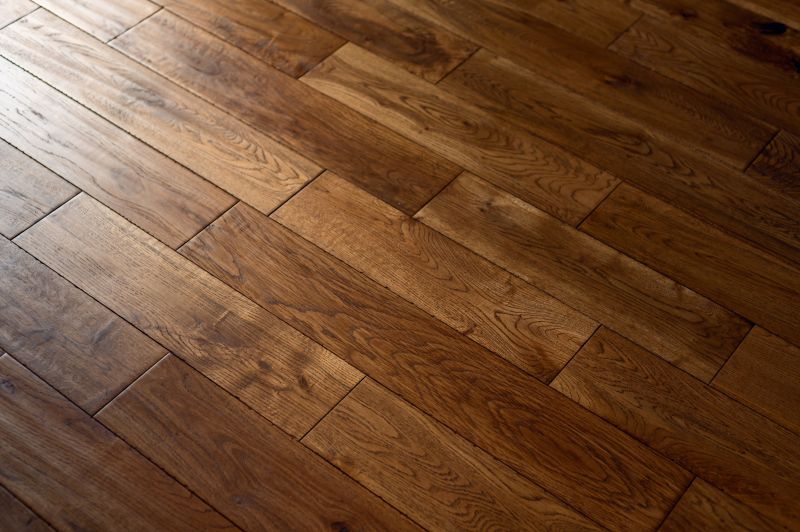
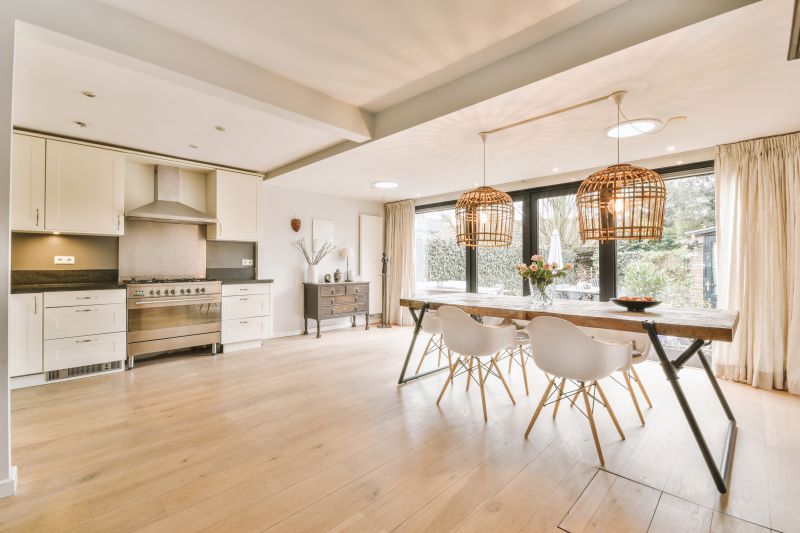
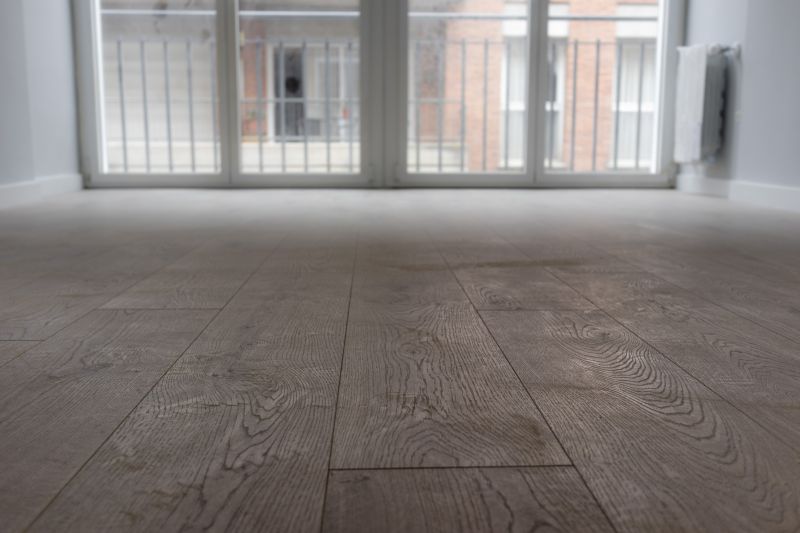
Engineered wood installation services involve the careful placement and fitting of engineered wood products, such as flooring, beams, or panels, into residential or commercial properties. These services typically include measuring, cutting, and securing the materials to ensure a smooth, level surface or structure. Skilled contractors use specialized tools and techniques to handle engineered wood accurately, helping to create durable, attractive surfaces that can enhance the overall look and functionality of a space.
This type of installation addresses common problems such as uneven flooring, structural weaknesses, or outdated materials that no longer meet the needs of the property. Engineered wood is often chosen for its stability and resistance to issues like warping or moisture damage, making it a practical solution for areas prone to humidity or temperature fluctuations. Professional installation ensures the materials are properly aligned and secured, reducing the risk of future problems and extending the lifespan of the wood components.
Engineered wood installation is frequently used in a variety of property types, including single-family homes, multi-unit residential buildings, offices, retail spaces, and renovation projects. Homeowners seeking to update their living spaces often turn to these services to improve the appearance and durability of their floors or structural elements. Commercial property owners may also choose engineered wood for its strength and aesthetic appeal, especially in areas where high foot traffic or moisture exposure occurs.
Homeowners typically consider engineered wood installation when undertaking remodeling projects, repairing damaged floors, or upgrading outdated interiors. It’s a practical choice for properties that require a stable, long-lasting surface that can withstand daily use. By working with experienced local service providers, property owners can ensure the installation is done correctly, helping to solve existing problems and improve the overall quality of their space.
The overview below groups typical Engineered Wood Installation projects into broad ranges so you can see how smaller, mid-sized, and larger jobs often compare in your area.
In many markets, a large share of routine jobs stays in the lower and middle ranges, while only a smaller percentage of projects moves into the highest bands when the work is more complex or site conditions are harder than average.
Smaller Repairs - For minor repairs or small installations, local pros typically charge between $250 and $600. Many routine projects fall within this range, though costs can vary based on specific materials and site conditions.
Partial Replacement - Replacing sections of damaged or worn engineered wood usually costs between $1,000 and $2,500. Larger, more complex partial replacements may reach higher prices, but most projects stay within this range.
Full Installation - Installing engineered wood throughout a room or entire home generally costs between $3,000 and $7,000. Many full installations fall into this middle range, with larger or more intricate projects potentially exceeding $10,000.
Complete Floor Replacement - Replacing an entire floor with engineered wood can range from $5,000 to $15,000 or more. Such projects tend to be at the higher end of the spectrum, depending on surface area and material choices.
Actual totals will depend on details like access to the work area, the scope of the project, and the materials selected, so use these as general starting points rather than exact figures.
Flooring Installation - Professionals experienced in engineered wood installation often have skills applicable to other types of flooring, ensuring precise measurements, subfloor preparation, and finishing techniques.
Deck Building - Building outdoor decks requires knowledge of wood framing, material handling, and planning, which are similar to the skills used in engineered wood flooring projects.
Interior Wall Paneling - Installing decorative or structural wall panels involves similar planning, cutting, and fastening skills as engineered wood installation.
Cabinet and Countertop Installation - Precise measurement and fitting are essential in both cabinet and engineered wood installations, making these projects related in skill requirements.
Wooden Staircase Construction - Crafting staircases involves detailed carpentry work, including framing and finishing, comparable to engineered wood flooring installation.
Framing and Structural Carpentry - General framing projects require foundational carpentry skills that are also useful in engineered wood installation and related construction tasks.
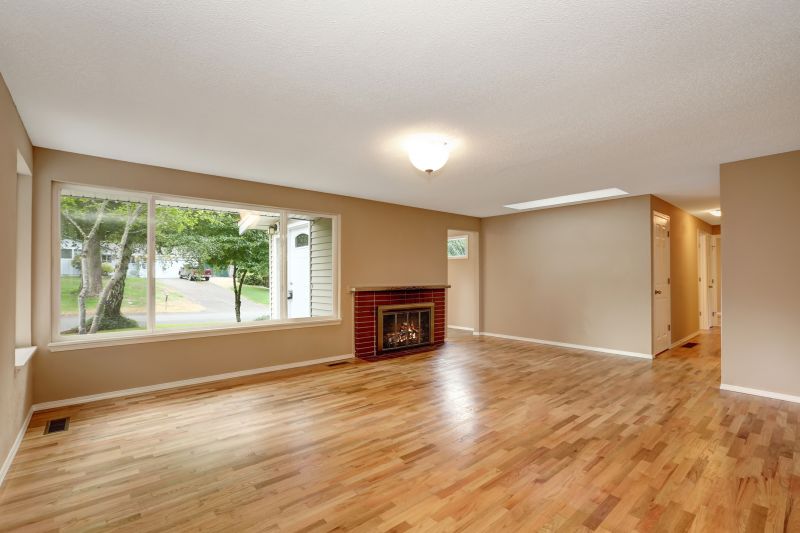
When choosing a service provider for engineered wood installation, it’s important to consider their experience with similar projects. Homeowners should look for local contractors who have a proven track record of handling engineered wood flooring installations comparable to the scope and style of the work needed. Asking about previous projects or reviewing portfolios can provide insight into their familiarity with different installation techniques and materials, helping to ensure the contractor is well-equipped to meet specific needs.
Clear, written expectations are essential to a successful project. Homeowners should seek out local pros who can provide detailed estimates and scope of work that outline each step of the installation process. This documentation helps prevent misunderstandings and ensures that both parties are aligned on what will be delivered. Having a transparent plan also makes it easier to compare different service providers objectively, focusing on their professionalism and clarity of communication.
Reputation and communication are key factors when evaluating local contractors. Reputable service providers often have references or reviews from past clients that can verify their reliability and quality of work. Good communication throughout the process-whether in answering questions promptly or providing updates-can make a significant difference in the overall experience. While the site introduces homeowners to local options, it’s important to remember that selecting a contractor who demonstrates experience, clear expectations, and good communication can contribute to a smoother, more predictable installation process.
Property owners use Engineered Wood Installation services for practical projects around their homes and businesses. This guide focuses on everyday jobs and straightforward project options.
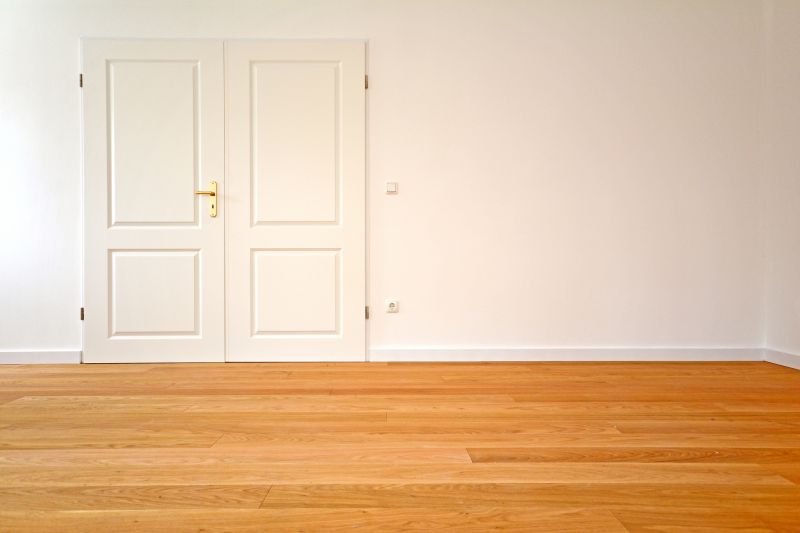
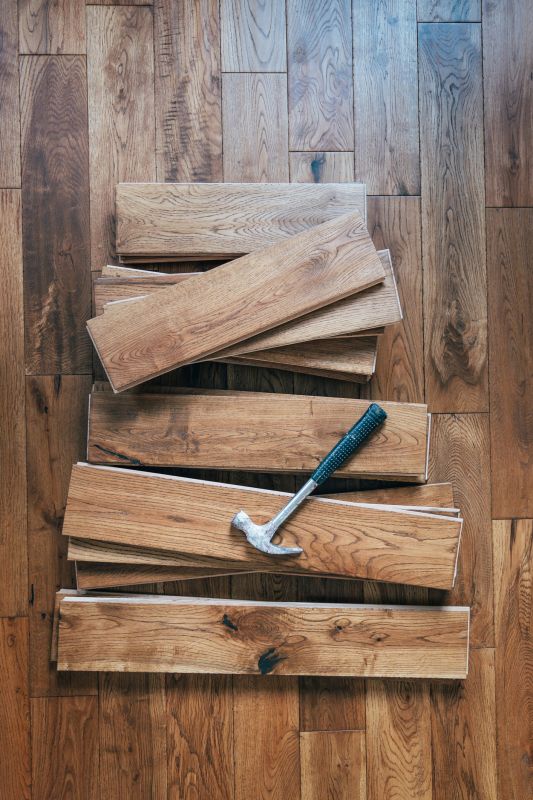
Engineered wood installation is a common project for property owners looking to upgrade or replace flooring, especially in areas that see frequent foot traffic or need a durable surface. Whether it's renovating a basement, updating a living room, or preparing a space for new furniture, local contractors can provide the expertise needed to install engineered wood efficiently and correctly. These service providers are familiar with the various types of engineered wood products and can help ensure the installation is smooth, secure, and long-lasting.
Property owners may seek engineered wood installation services for practical reasons such as improving the appearance of a space, increasing home value, or addressing damage to existing flooring. Local contractors are equipped to handle projects of different sizes, from small rooms to larger areas, making it easier to find a professional suited to specific needs. Connecting with experienced service providers can help ensure the project is completed to standard, providing a quality finish that enhances the overall look and functionality of the property.
What types of engineered wood flooring are available for installation? Local contractors offer a variety of engineered wood options, including different finishes, plank styles, and wood species to suit various design preferences.
How do I prepare my space for engineered wood installation? Service providers typically recommend clearing the area, ensuring a level subfloor, and following specific preparation steps to ensure proper installation.
Can engineered wood be installed over existing flooring? Many local contractors can install engineered wood over certain types of existing flooring, but it's best to consult with a professional to determine compatibility.
What installation methods are used for engineered wood flooring? Professionals commonly use nail-down, glue-down, or click-lock floating methods, depending on the product and subfloor conditions.
What maintenance is required after engineered wood installation? Maintenance generally includes regular cleaning and avoiding excessive moisture, with local service providers offering guidance tailored to the specific flooring used.
Flooring Replacement - Property owners can upgrade existing floors with engineered wood for a fresh, modern look in living rooms or bedrooms.
Home Renovation Projects - Local contractors can assist with installing engineered wood in kitchens or basements during remodeling efforts.
Outdoor Decks - Engineered wood can be used to create durable, attractive decks or patios for outdoor entertainment spaces.
Custom Carpentry - Builders may incorporate engineered wood into custom shelving, wall paneling, or other interior design features.
If you are thinking about Engineered Wood Installation for a property, this guide is meant to help you understand the work, the typical project types, and how different options might fit your plans.
When you are ready, you can use the quote form on this page to share a few details about your project. From there, local pros can review the basics and respond with options that match what you have in mind.